This decision carries extra weight for households planning for aging in place or accommodating family members with mobility challenges. A choice that works perfectly at 45 may become a serious hazard at 70.
This guide covers cost, space, water efficiency, accessibility, and resale value — so you can make a decision based on your actual needs, not whatever's trending on home renovation feeds.
Key Takeaways
- Walk-in showers suit active adult routines, improve accessibility, and work well in tighter bathrooms
- Bathtubs serve families with young children, regular soakers, and single-bathroom homes focused on resale
- A standard bath uses 36 gallons on average; a 10-minute shower uses 25 gallons with a conventional showerhead
- Homes with only one bathroom should keep a tub or tub-shower combo to protect resale value
- For seniors, walk-in tubs combine soaking with step-free entry — safer than either standard option
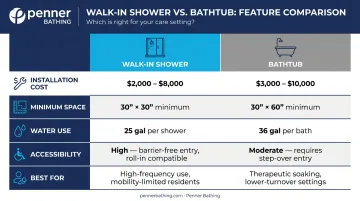
Walk-In Shower vs Tub: Quick Comparison
| Factor | Walk-In Shower | Bathtub |
|---|---|---|
| Installation Cost | $2,000–$8,000 (prefab); custom tile significantly higher | $450–$1,400 (alcove); $1,200–$10,000 (freestanding) |
| Minimum Space | 6.25 sq ft (code minimum); 9 sq ft recommended | Alcove tubs typically 60 × 30 in; freestanding needs clearance on all sides |
| Water Use | ~25 gal per 10-min shower (standard head) | ~36 gal average for a full fill |
| Accessibility | Curbless or low-threshold entry; lower fall risk | 14–16 in step-over wall; higher fall risk, especially wet |
| Best For | Active adults, mobility concerns, multi-bath homes | Families with children, soakers, single-bath homes |
What Is a Walk-In Shower?
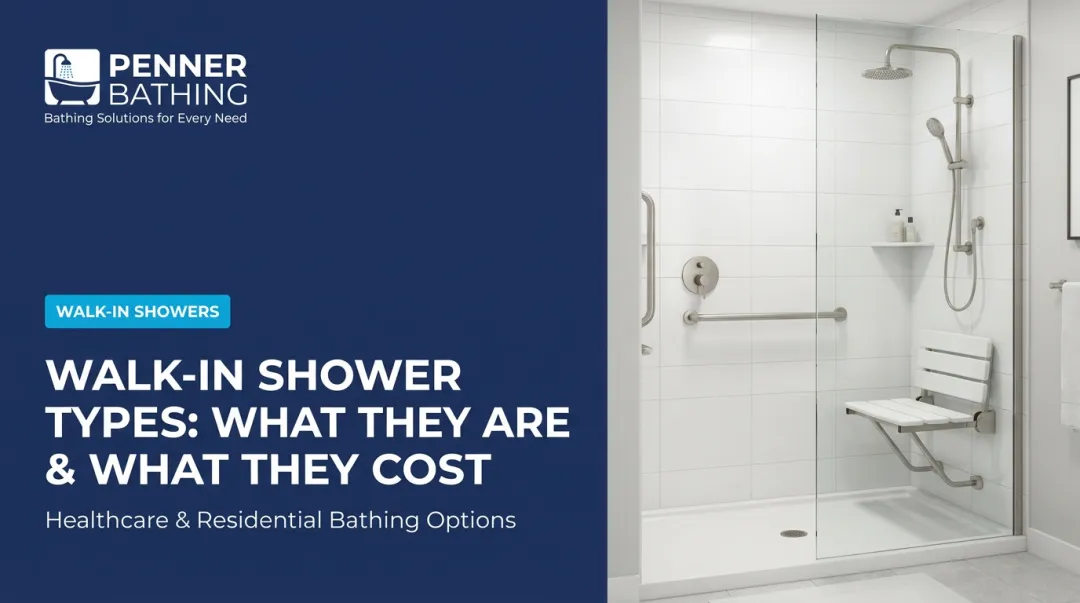
A walk-in shower removes the step-over threshold that makes traditional tubs a fall hazard. Entry is open or minimally enclosed, which is why these designs are the default choice for accessibility-focused renovations.
Design variants range from curbless, frameless glass enclosures to tiled open designs with benches and grab bars. The ADA standards for accessible bathing specify roll-in shower thresholds of no more than ½ inch, with a floor slope no steeper than 1:48 — practical benchmarks for anyone designing with mobility in mind.
Core Benefits
- Faster for daily use — no filling, no waiting
- Easier to clean than a tub surround with multiple grout lines
- Makes smaller bathrooms feel more open visually
- Suits modern bathroom designs — frameless glass keeps sightlines clean
- Curbless designs lower fall risk compared to tub entry, which is why ADA threshold limits exist
Who It's Right For
These benefits translate to a clear user profile. Walk-in showers work best for adults with active routines, anyone with balance or mobility concerns, and primary bathrooms in homes where at least one tub exists elsewhere. For aging-in-place renovations, curbless designs are the practical baseline — they meet ADA thresholds and eliminate the step that causes most bathroom falls.
What Is a Bathtub?
A bathtub is a basin that allows full-body immersion, something a shower simply can't replicate. Common types include alcove (the standard three-wall installation), freestanding, drop-in, soaking, and walk-in tubs with door-entry access.
That immersion capability carries real therapeutic value. Warm water has documented associations with muscle tension relief and joint comfort, and clinical research has linked hydrotherapy to reduced pain and improved quality of life in adults managing conditions like arthritis. Results vary by condition and water temperature.
Core Benefits
- Effective for relaxation and stress relief after physical activity
- Practical for bathing young children and pets
- Tub-shower combos offer flexibility in single-bathroom homes
- Hydrotherapy jets (on soaking or walk-in models) add therapeutic value
Who It's Right For
Bathtubs make the most sense for:
- Families with young children who need a safe, contained bathing space
- Households that soak regularly for wellness or muscle recovery
- Homes with a single full bathroom where flexibility matters
- Homeowners planning for aging-in-place accessibility with walk-in tub options
Walk-In Shower vs Tub: Key Factors Compared
Cost — Installation and Long-Term
Entry-level costs are closer than most people expect. A basic prefabricated walk-in shower runs $2,000–$8,000 installed, while a standard alcove tub comes in at $450–$1,400. Freestanding tubs reach $1,200–$10,000 depending on material and style.
Where the gap widens: custom tile walk-ins with frameless glass, linear drains, and built-in niches. A tub-to-shower conversion with high-end finishes can reach $20,000.
Long-term maintenance costs are worth factoring in too:
- Shower grout regrouting: $400–$850
- Bathtub refinishing: $350–$650, averaging $480
- Water bills favor showers for most users — but see the water efficiency section below
Space and Layout Impact
The residential building code sets a minimum shower compartment at 900 square inches (roughly 6.25 sq ft), with no interior dimension below 30 inches. The NKBA recommends at least 36 × 36 inches, with 30 inches of clear floor space in front.
Freestanding tubs require clearance on all sides — no universal standard governs total footprint, but the spatial demand is higher than a compact shower. In bathrooms under roughly 50–60 square feet, a walk-in shower almost always improves flow and perceived space.
Water Efficiency
EPA WaterSense data puts a 10-minute conventional shower at 25 gallons (at 2.5 gpm). A WaterSense showerhead cuts that to 20 gallons maximum. The average full tub fill uses 36 gallons.
The break-even point: with a conventional showerhead, a shower hitting 14.4 minutes matches the average tub fill. That 14.4-minute threshold is the practical dividing line — a quick daily shower saves water, while a prolonged one erases that advantage entirely.
Accessibility and Safety
CDC data from a national bathroom injury study recorded over 234,000 nonfatal bathroom injuries treated in U.S. emergency departments in a single year, with 81.1% caused by falls. The highest injury rate was in or around the tub or shower area.
A standard alcove tub wall sits 14–16 inches high — that's the obstacle a bather must clear on a potentially wet surface, often barefoot. A curbless shower eliminates that barrier entirely. Even a low-threshold ADA-compliant shower limits the step to ½ inch.
That entry geometry matters most for older adults — more than one in four people 65 and older falls each year. Key installation features affect safety for both options:
- Slip-resistant flooring reduces fall risk on wet surfaces
- Grab bar blocking allows secure bar placement at any point
- Correct drain slope prevents pooling that contributes to slips
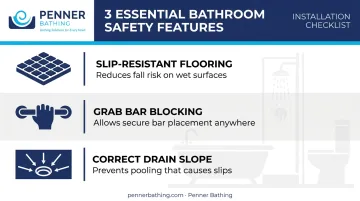
Even with these features in place, the low or zero-threshold entry of a walk-in shower gives it a clear safety advantage over the tub.
Resale Value and Buyer Expectations
NAHB research found 72% of first-time buyers rated having both a shower and tub in the primary bath as essential or desirable. Separately, 27% of buyers said they did not want a primary bath with only a shower stall.
The practical takeaway: a walk-in shower in the primary bath adds value — provided a tub exists somewhere else in the home. Removing the only tub in a single-bathroom house narrows your buyer pool, particularly in family-oriented markets. A tub-shower combo is the safest choice in one-bath homes.
Which Option Should You Choose?
Choose a Walk-In Shower If:
- You and other household members primarily take quick daily showers
- Anyone in the home has mobility, balance, or accessibility concerns
- You're renovating a second bathroom while a tub remains elsewhere
- The bathroom is compact and you want to maximize usable space
- Long-term aging in place is part of the plan — curbless designs are the strongest choice here
Choose a Bathtub If:
- You have young children who need regular baths
- You or a household member soaks regularly for wellness or recovery
- The home has only one full bathroom
- You're selling in a market where family buyers are the primary audience
- Flexibility matters — a tub-shower combo covers both needs
The Third Option: Walk-In Tubs for Safety-Conscious Soakers
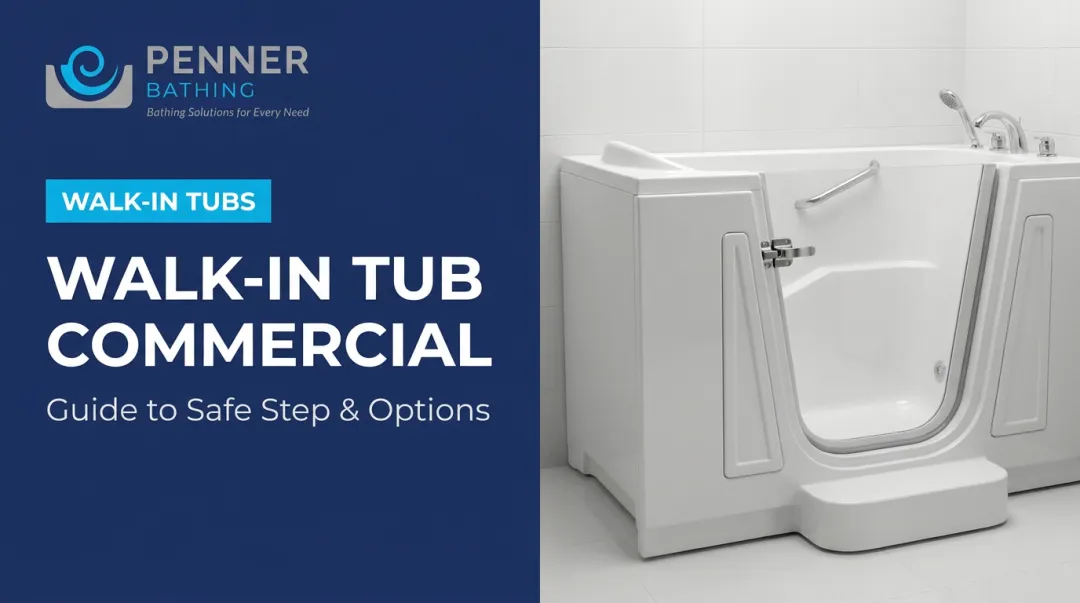
For individuals who want the therapeutic benefits of soaking but can't safely manage a traditional tub entry, a walk-in tub offers a genuine solution that doesn't require giving up either safety or the bath experience. These units feature a side-entry door, built-in seating, and handrails — eliminating the step-over risk without giving up the bath experience.
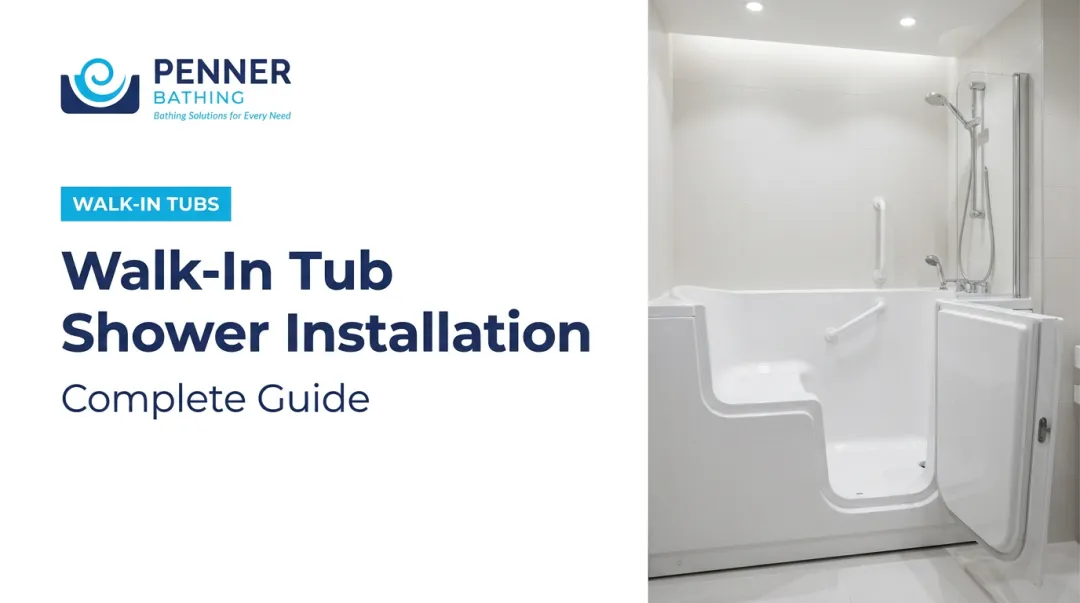
One product worth knowing in this category is Penner Bathing's Dream Spa Walk-In Bath. Its wide swing-out door lets users sit on the tub edge first, then swing their legs in — no stepping required. That's a meaningful distinction: competing walk-in tubs with inward-swinging doors force users to step inside before the door closes, which reintroduces the very risk they're meant to solve. The Dream Spa includes a heated seat and backrest, a hand-held shower wand for seated washing, and an Aqua-Aire jet system. It fits standard tub spaces, so installation typically doesn't require major remodeling.
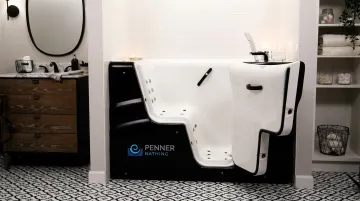
For households managing mobility changes now — or planning ahead — a walk-in tub can delay or eliminate the need for more expensive home modifications down the road.
The Decision Framework
With all three options on the table, the right choice usually comes down to who uses the bathroom and what the next decade looks like. Work through these four questions before deciding:
- How many tubs does the home currently have? If only one, removing it can limit resale appeal — especially to buyers with young children.
- Who uses this bathroom daily? Children, adults, seniors, and occasional guests have different needs, and a setup that works for one may not work for another.
- What will mobility look like in 5–10 years? A bathroom that works fine today can become a fall hazard quickly as needs change.
- What are your resale goals? Buyer expectations vary by market — know your local demographic before removing a tub.
Conclusion
Neither walk-in showers nor bathtubs are universally better. The right choice depends on who lives in the home, how the bathroom gets used day-to-day, what the space allows, and where mobility needs may be heading.
The core guidance: walk-in showers for accessibility and efficiency, bathtubs for versatility and resale protection in single-bathroom homes, and walk-in tubs for anyone who needs safe soaking access without the step-over risk.
If you're planning for aging in place or supporting an elderly family member, purpose-designed bathing solutions make a meaningful difference. Penner Bathing has manufactured accessible bathing systems since 1980 and can match you with the right walk-in bath for your home and mobility needs.
Frequently Asked Questions
Is it better to have a bathtub or a shower?
It depends on lifestyle and how many bathrooms the home has. Showers handle most adults' daily routines more efficiently, while tubs serve families with young children and regular soakers. Having both is the strongest option when space and budget allow.
Do home buyers prefer tubs or showers?
Buyer preferences vary by market, but NAHB data shows 72% of first-time buyers want both a shower and tub in the primary bath. Walk-in showers appeal strongly to buyers in primary bathrooms — as long as a tub exists somewhere else in the home.
Does removing a bathtub hurt home resale value?
Removing the only tub in a home can reduce buyer appeal, especially in family-oriented markets. Converting a secondary bathroom to shower-only is generally less impactful when a tub remains in another bathroom.
Can a walk-in shower replace a bathtub for aging in place?
A curbless walk-in shower is the most practical aging-in-place swap — barrier-free entry eliminates the step-over hazard that causes most tub falls. For those who want to keep soaking, a walk-in tub with a side-entry door preserves the bath experience with a low-threshold entry and built-in seating, making it a safer long-term option than a standard tub.
What is the best bathing option for seniors?
Curbless walk-in showers with grab bars and slip-resistant flooring reduce fall risk for daily bathing. Walk-in tubs — which typically include low-threshold entry, built-in seating, and hydrotherapy jets — are the better fit for seniors who rely on soaking for joint or muscle relief. Assess the individual's mobility level and bathing preference first, then match the equipment to those needs.