Introduction
Walk into a nursing home today and compare it to one from 1990. The difference isn't just cosmetic. Where staff once relied on paper charts and manual observation, care teams now work alongside wireless vital sign monitors, electronic health records, and therapeutic bathing systems engineered for both resident safety and staff efficiency.
"Patient care technology" covers every device, system, and method used to assess, treat, monitor, or support patients — extending well beyond software into the physical equipment that defines daily care.
Rising patient acuity, an aging population, and persistent staff shortages are all pressing harder at the same time. The equipment and systems a facility selects directly affect care quality, injury rates, and the ability to retain staff under pressure.
What follows is a practical look at the major categories of patient care technology — how each works, where it delivers the clearest results, and what to watch for when putting it into practice.
Key Takeaways
- Patient care technology covers EHRs, telehealth, monitoring devices, therapeutic bathing systems, patient lifts, and safety tools
- The right technology cuts medical errors, eases staff workload, and strengthens care coordination
- Long-term care facilities have distinct needs — particularly around resident mobility, hygiene, fall prevention, and comfort
- Effective technology solves a defined clinical problem and fits naturally into existing workflows
What Is Patient Care Technology? Examples and Categories
Patient care technology refers to any device, system, software, or tool used in the delivery, monitoring, documentation, or improvement of direct patient care. This is distinct from administrative technology like billing software or scheduling tools — the focus is clinical.
No single federal agency publishes one unified taxonomy, but cross-agency definitions point to five practical categories:
| Category | Examples | Regulatory Frame |
|---|---|---|
| Digital health IT | EHRs, telehealth platforms | ONC |
| Remote/wearable monitoring | Wireless vital sign monitors, wearables | FDA digital health guidance |
| Smart infusion devices | IV pumps with dose-error reduction | FDA medical device classification |
| Physical/therapeutic equipment | Therapeutic baths, patient lifts, beds | CMS durable medical equipment |
| Medication management | BCMA systems, electronic medication management | FDA/AHRQ patient safety frameworks |
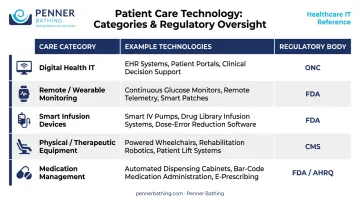
These categories aren't rigid — many devices span multiple functions.
Digital Information and Documentation Technology
Electronic Health Records (EHRs) are the backbone of modern care coordination. They replace paper charts, enable real-time data sharing across care teams, and support clinical decision tools that flag medication interactions and abnormal lab results.
Adoption is near-universal in acute care: more than 99% of nonfederal acute-care hospitals had certified EHRs by 2024, according to ONC national adoption data. Skilled nursing facilities sit lower, at around 84% based on 2018 figures.
Telehealth platforms and mobile health apps extend care beyond clinical walls — supporting remote monitoring of chronic conditions and virtual consultations that reduce barriers for elderly or mobility-limited patients.
Patient Monitoring and Diagnostic Technology
Wearable and portable monitors track heart rate, oxygen saturation, blood pressure, and ECG data continuously, alerting staff before changes escalate. Smart beds add another layer: built-in sensors detect patient movement and weight shifts, automate pressure redistribution to reduce ulcer risk, and trigger fall-prevention alerts.
Falls remain a serious burden. CDC data shows more than 14 million adults age 65 and older fall annually, with falls generating an estimated $80 billion in healthcare spending for nonfatal injuries in 2020 alone.
Medication Management Technology
That same focus on preventing harm extends to the medication delivery process. Smart IV pumps include dose error reduction software and drug libraries that alert clinicians when settings exceed configured limits. Barcode medication administration (BCMA) systems add identity verification at the point of administration. One study at an academic medical center found BCMA reduced reported medication administration errors by 43.5% — though effectiveness depends on staff compliance and system configuration.
Physical and Therapeutic Care Technology
Physical and therapeutic equipment enables safe, dignified care delivery in long-term care and rehabilitation settings. This category includes:
- Therapeutic bathing systems with hydrotherapy and antimicrobial features
- Patient lifts (mobile and ceiling-mounted) for safe transfers
- Shower chairs and transfer seats for mobility-limited residents
- Assistive mobility devices supporting independence and fall prevention
For facilities serving high-acuity populations, the right equipment directly affects resident outcomes, staff injury rates, and regulatory compliance — not just comfort.
How Patient Care Technology Improves Patient Outcomes
From Reactive to Proactive Care
Continuous monitoring changes the clinical calculus. Instead of waiting for a patient to show obvious deterioration, nurses and physicians can detect declining status early — catching a drop in oxygen saturation before it becomes a respiratory crisis, or identifying a cardiac irregularity before it requires emergency intervention.
That early-warning capability only delivers results, though, when the right people receive the information and act on it — which is where care team coordination becomes equally critical.
Better Coordination Across Care Teams
EHRs and centralized data platforms give every member of the care team — physicians, nurses, specialists, therapists — access to the same up-to-date patient record. The ONC identifies EHR-enabled information sharing as a direct mechanism for reducing care fragmentation, cutting down on redundant testing and miscommunication between departments.
Medication Safety
Smart pump and BCMA benefits are real, but configuration-dependent. One well-implemented hospital system achieved a 43.5% reduction in medication errors — but a separate simulation study found that soft-limit alerts on smart pumps produced no significant improvement. Simply installing the technology isn't enough.
Common factors that erode the safety benefit include:
- Workarounds that bypass alert systems
- Outdated drug libraries not updated after installation
- Overridden alerts without clinical review
Staff Well-Being
Documentation burden directly affects nurse burnout. A time-motion study of emergency department nurses found that 27% of observed time involved EHR tasks, compared to just 25% in direct patient care. Among nurses who left their positions, 31.5% cited burnout as a contributing factor.
Technology that automates routine documentation, reduces physically strenuous tasks, and simplifies workflows can meaningfully reduce this burden, though poorly designed systems can add to it instead.
Health Equity and Rural Access
Telehealth expands access for patients who face geographic, financial, or mobility barriers. CDC analysis found that preventable premature heart-disease deaths increased 9.5% in noncore rural counties between 2010 and 2022, while declining 10.2% in large metropolitan counties. Telehealth programs have demonstrated real impact: at Dartmouth Health, 93% of stroke-consult patients completed care locally through a telehealth program — avoiding costly and time-sensitive transfers.
Patient Care Technology in Long-Term Care and Assisted Living Facilities
Long-term care facilities operate in a fundamentally different clinical environment than hospitals. Residents have longer stays, higher rates of cognitive decline, greater vulnerability to falls and infections, and ongoing needs around activities of daily living. Technology must reflect these realities.
Fall Prevention
In skilled nursing communities, fall incidence runs approximately 121 falls per 100 person-years, according to a 2025 JAMDA clinical guideline. Smart bed exit alarms, wearable sensors, and environmental monitoring systems alert staff when at-risk residents attempt to move independently.
These tools provide early warning and response support — not guaranteed prevention. Their value depends on alarm configuration, staff response protocols, integration with broader fall risk assessment programs, and consistent staff training.
Infection Control
Infection control is a priority in LTC settings where residents are often immunocompromised. CDC guidance establishes routine cleaning and EPA-registered disinfection as foundational requirements. Built-in antimicrobial protection in resident-facing equipment — such as the BioCote antimicrobial protection included across Penner Bathing's healthcare bathing systems — represents one adjunct layer in an infection control program. A 2023 review in the American Journal of Infection Control recognizes continuous antimicrobial surface technologies as potential supplements to routine cleaning protocols, not replacements for them.
Therapeutic Bathing Technology
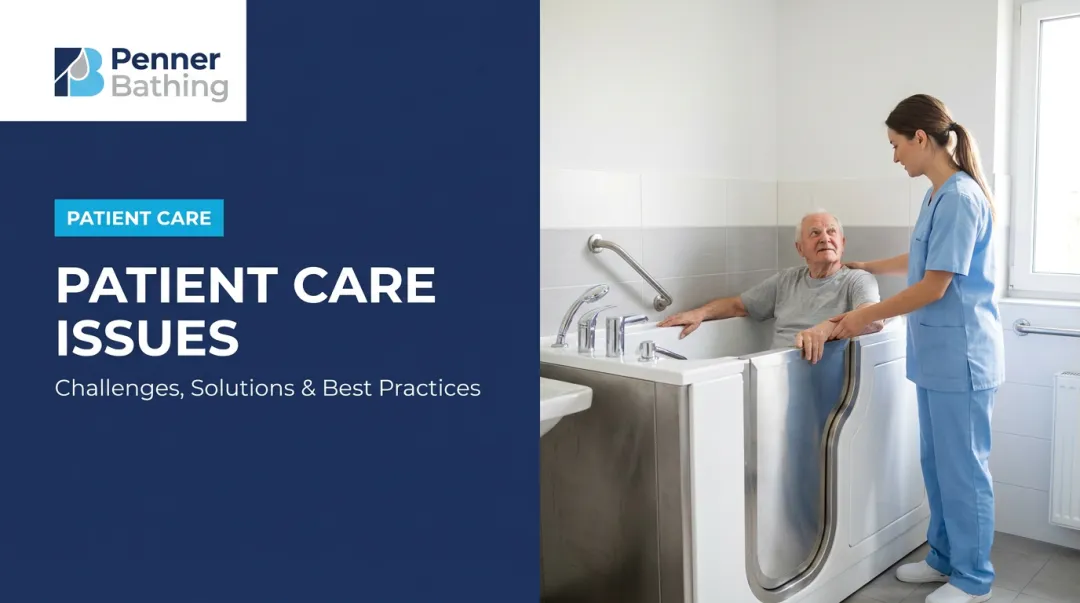
Therapeutic bathing receives less attention than digital systems, but carries real clinical weight in LTC settings. Hydrotherapy supports muscle and joint pain relief, improves circulation, and directly supports resident dignity and comfort.
Penner Bathing has engineered healthcare bathing systems for long-term care since 1980, focusing on resident safety and staff efficiency. Their systems include:
- Fast-fill reservoirs that reduce preparation time per bath
- Automatic disinfection systems standard across models
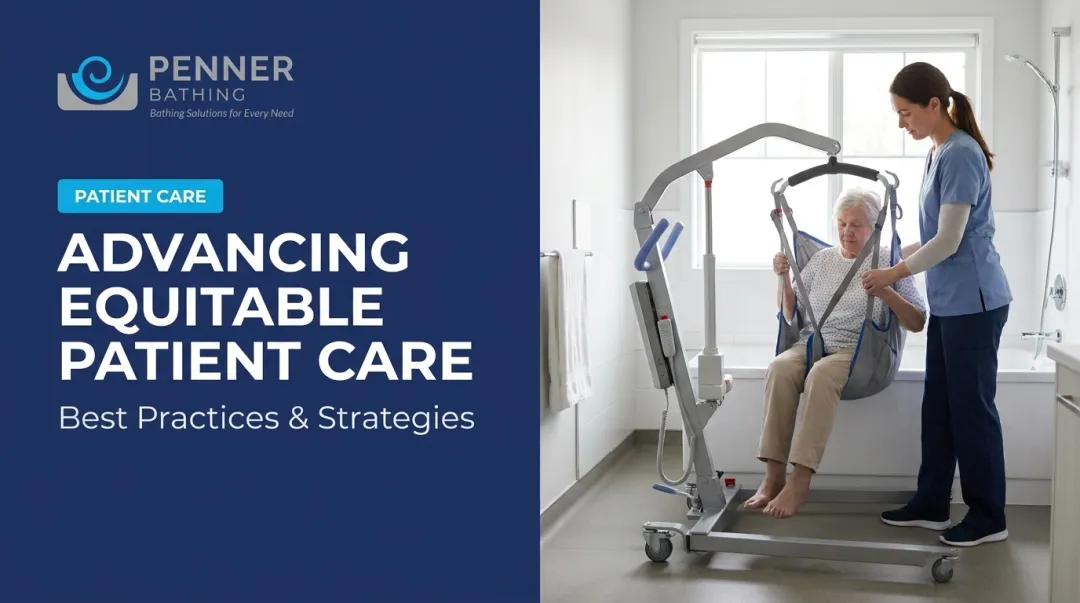
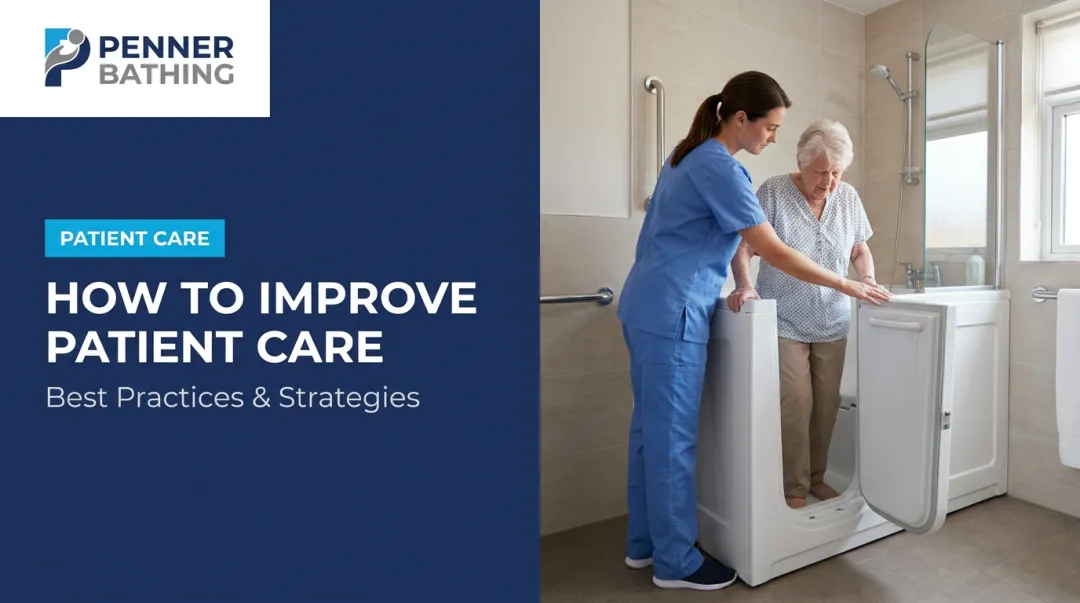
- Height-adjustable transfer mechanisms and mobile transfer chairs
- Bariatric configurations (the Cascade Bariatric model) for higher-acuity residents
- Recumbent models for residents who cannot be positioned upright
- Offset designs that maximize caregiver workspace
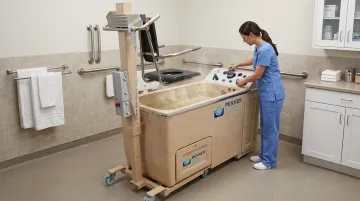
The Premier, Cascade, and Contour series are among their most widely adopted models in nursing home and assisted living environments. PennAire Microbubble Technology is a proprietary feature incorporated into select Penner systems; Penner's team can provide detailed specifications and clinical documentation on request.
Electronic Communication and Nurse Call Systems
HIPAA-compliant messaging tools, integrated nurse call systems, and centralized dashboards give staff visibility into multiple residents' needs simultaneously. Two operational benefits stand out:
- Faster response times — staff receive instant alerts rather than waiting for manual check-ins
- Reduced shift-transition gaps — centralized dashboards maintain continuity when care teams change over
Best Practices for Adopting Patient Care Technology
Start With the Clinical Problem
Technology adoption fails when the tool comes before the need. Before selecting any system, administrators and care teams should define the specific challenge they're solving — reduced fall rates, faster medication administration, lower infection rates. Then evaluate which technology best addresses it.
Involve Frontline Staff Early
Nurses, aides, and therapists who use equipment daily will identify usability problems that administrators miss during procurement. Structured pilots, feedback loops, and staged rollouts reduce adoption friction and catch safety concerns before full deployment. Effective approaches include:
- Running structured pilots with frontline users before facility-wide rollout
- Building formal feedback channels so staff can flag usability issues
- Phasing deployment to allow for real-world adjustment
- Documenting staff-reported concerns and acting on them visibly
Penner Bathing, for example, provides on-site evaluation support and staff training alongside its bathing systems, recognizing that equipment only works as intended when the people using it feel confident with it.
Make Training Non-Negotiable
Well-designed technology can increase errors when staff lack proper training. New systems should include:
- Structured onboarding before go-live
- Clear written protocols for device operation and escalation
- A mechanism for reporting device-related concerns or near-misses
- Ongoing competency assessment, not just initial training
Challenges and Risks to Consider
Technology introduces new risks alongside its benefits. Three deserve particular attention:
Alarm fatigue erodes the very protection monitoring technology is meant to provide. AHRQ found that 88.8% of 12,671 annotated arrhythmia alarms in one study were false positives — meaning staff are flooded with noise until genuine alerts get missed or delayed. Effective alarm governance requires clinically meaningful thresholds, clear escalation rules, and regular review of alarm performance data.
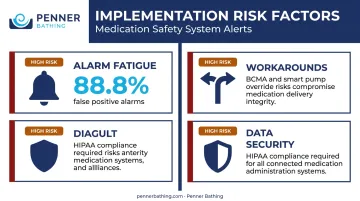
Workarounds are a quieter but equally serious threat. BCMA systems don't reduce medication errors if nurses bypass scanning due to time pressure or faulty equipment. Smart pump soft limits offer no protection when staff override them out of habit. Implementation plans should identify the workflow conditions that drive workarounds — and fix them before they become routine.
Data security demands continuous attention as healthcare systems become targets for increasingly sophisticated cyberattacks. Digital patient care technology must meet HIPAA compliance standards, run on secure platforms, and receive ongoing monitoring — not just at go-live, but across the full system lifecycle.
Frequently Asked Questions
What are the examples of patient care technology?
The main categories include digital tools (EHRs, telehealth platforms), monitoring devices (wireless vital sign monitors, smart beds, wearable sensors), medication management systems (BCMA, smart IV pumps), and physical or therapeutic care equipment such as therapeutic bathing systems, patient lifts, and shower chairs.
How does technology improve patient safety in healthcare facilities?
Technology reduces errors through automated checks at the point of care — barcode scanning, smart pump dose limits — and enables early detection of patient deterioration through continuous monitoring. EHRs and integrated communication systems reduce care gaps by keeping the entire team working from the same current patient information.
What technology is commonly used in nursing homes and long-term care facilities?
Common LTC technologies include fall prevention alarms, smart beds, EHR systems, nurse call systems, and environmental monitoring for infection control. Therapeutic bathing systems — such as the Premier, Cascade, and Contour series from Penner Bathing — add hygiene support and mobility assistance with features built around care staff efficiency.
How does patient care technology reduce staff workload?
EHR automation cuts documentation time, remote monitoring reduces routine bedside checks, and operationally efficient equipment — such as fast-fill bathing systems and height-adjustable transfer chairs — lessens the physical demands of ADL support. Together, these tools free staff to focus on direct resident interaction and clinical judgment.
What are the biggest challenges of implementing new patient care technology?
Alarm fatigue, inadequate training, poor workflow integration, and cost barriers are the most common obstacles. A less visible risk is that workarounds — bypassing scans, overriding alerts — can disable the very safety mechanisms the system was designed to provide. Success depends on staff involvement and sustained governance after go-live.