Introduction
Chronic disease is reshaping the economics of American healthcare. According to the CDC, 90% of the $5.3 trillion in U.S. health expenditures in 2024 was for people with chronic and mental health conditions — making prevention and ongoing disease management central to how the system controls costs.
Primary care nurses sit at the center of that challenge. They serve as patients' first and most consistent point of contact with the healthcare system, delivering care that spans prevention, chronic disease support, patient education, and coordination across providers and settings. About 87% of 461,000 licensed nurse practitioners are educated in primary care, and NPs conduct more than 1 billion patient visits annually. That scale makes this workforce a cornerstone of American healthcare delivery.
This article covers what primary care nursing is, the key roles and responsibilities it entails, the skills that define effective practice, and the best practices that drive better outcomes. It also addresses long-term care settings, where day-to-day physical care directly shapes patient dignity.
Key Takeaways
- Primary care nurses provide continuous, comprehensive care across prevention, chronic disease management, and patient education
- NP employment is projected to grow 40.1% from 2024 to 2034 — one of the fastest growth rates of any occupation
- 53.4% of U.S. primary care practices employed NPs in 2023
- Core skills include clinical assessment, communication, critical thinking, and cultural competence
- In long-term care, bathing practices directly affect both infection control and resident dignity
What Is Primary Care Nursing?
Primary care nursing is the delivery of comprehensive, continuous care to individuals and families across their lifespan — functioning as patients' primary and ongoing point of contact with the healthcare system. Unlike specialty or episodic care, primary care nursing addresses the full range of a person's health needs over time, from wellness visits and immunizations to chronic condition monitoring and mental health coordination.
Primary Care Nursing vs. The Primary Nursing Care Model
These terms are related but describe different things:
- Primary care nursing refers to a practice setting — nurses working in outpatient clinics, physician offices, community health centers, long-term care facilities, schools, and public health departments to deliver ongoing, patient-centered care
- The primary nursing care model is a hospital care delivery structure in which one nurse is designated as the lead caregiver for a specific patient throughout their stay, with associate nurses covering absences
Both concepts emphasize continuity and accountability. But one is about where and how care is delivered across a patient's life; the other is a staffing model within an inpatient setting.
How Primary Care Differs from Acute Care
| Dimension | Primary Care Nursing | Acute Care Nursing |
|---|---|---|
| Focus | Prevention, chronic disease, wellness | Urgent, time-sensitive conditions |
| Setting | Clinics, offices, community sites | Hospitals, emergency departments |
| Patient relationship | Long-term, ongoing | Episode-based |
| Pace | High volume, structured visits | Rapid intervention, unpredictable |
A Growing Workforce
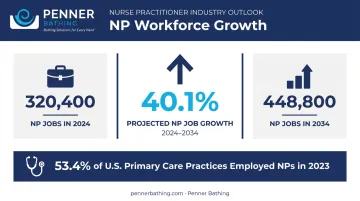
Those structural differences reflect a broader shift in how healthcare is staffed. The Bureau of Labor Statistics projects NP employment to grow 40.1% from 2024 to 2034 — from 320,400 to 448,800 jobs. That rate is more than double the 35% projected growth for the combined APRN category. Already, 53.4% of U.S. primary care practices employed NPs in 2023.
Key Roles and Responsibilities of Primary Care Nurses
Patient Assessment
Every care relationship starts here. Primary care nurses conduct thorough physical assessments, gather detailed health histories, perform routine check-ups, and watch for early warning signs of developing conditions. Over time, these assessments build a longitudinal picture of a patient's health that informs every subsequent clinical decision.
Chronic Disease Management
42% of U.S. adults have at least two chronic conditions, and 12% have five or more. Primary care nurses are the professionals most consistently tracking those conditions over time — monitoring blood glucose and pressure levels, adjusting medication regimens, reinforcing adherence, and coaching patients on lifestyle changes that prevent complications.
For patients with diabetes, hypertension, or asthma, this ongoing contact is what catches complications early and keeps hospitalizations from happening in the first place.
Preventive Care and Early Detection
The case for preventive care is quantifiable. CDC modeling found that routine childhood vaccination during 1994–2023 prevented 32 million hospitalizations and produced $540 billion in direct savings. Primary care nurses administer immunizations, order and follow up on screenings, and deliver health counseling that shifts patients toward lower-risk behaviors before conditions develop.
Patient Education and Advocacy
Daily patient education tasks include:
- Explaining a diagnosis in terms the patient actually understands
- Teaching home monitoring techniques, such as blood pressure tracking
- Helping patients navigate specialist referrals they've been putting off
These interactions matter most for patients in underserved communities, who often have fewer options and less familiarity with navigating care systems.
Care Coordination
Primary care nurses function as connective tissue across the healthcare system. When a patient sees a cardiologist, a diabetes educator, and a physical therapist in the same month, the primary care nurse ensures those providers share relevant information, catches conflicts between treatment plans, and keeps the patient from falling through the cracks between appointments.
Essential Skills for Primary Care Nurses
Clinical Competency
Primary care NPs must be capable of independently diagnosing and managing acute and chronic conditions across a broad population. That requires strong physical assessment skills, pharmacology knowledge, diagnostic reasoning, and fluency with evidence-based guidelines — particularly as patient complexity increases.
Both the 2022 NONPF NP Role Competencies and AANP standards anchor these expectations in a clear framework: assessment, diagnosis, planning, implementation, and quality improvement as foundational professional requirements.
Communication and Patient Education
Strong communication does more than inform — it builds the trust that keeps patients engaged with their care over years. A 2023 rapid review linked communication quality in NP office settings to patient satisfaction, intention to follow recommendations, and physical health outcomes.
Effective primary care nurses:
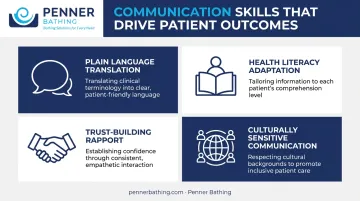
- Translate complex clinical information into plain language
- Adapt their communication style to diverse health literacy levels
- Build rapport that makes patients more likely to report symptoms honestly
- Deliver culturally sensitive explanations that account for a patient's background
Critical Thinking and Clinical Judgment
Primary care visits are rarely straightforward. A patient with fatigue might have anemia, depression, thyroid dysfunction, or sleep apnea. In practice, that means:
- Evaluating ambiguous symptom presentations without a clear initial diagnosis
- Making prioritization decisions under visit-window time pressure
- Adjusting treatment plans as lab results arrive — often without specialist backup
Cultural Competence and Health Equity Awareness
Primary care nurses increasingly serve patients across wide socioeconomic, cultural, and linguistic spectrums — particularly in rural and community health settings. NONPF competency NP 9.6 formalizes this reality by requiring DEI integration into professional identity, because care quality depends on understanding patient context, not just clinical data.
Cultural humility means recognizing the limits of one's own cultural lens and staying curious about a patient's context, rather than applying assumptions.
Time Management and Organizational Skills
Primary care nurses manage high patient volumes in structured visit windows. Inefficient documentation, poor scheduling discipline, or failure to triage effectively doesn't just slow the day down — it degrades care quality and accelerates burnout. A nurse who loses 10 minutes per visit to disorganized charting loses over an hour of care capacity daily — time that could go toward the patients who need it most.
Best Practices in Primary Care Nursing
Building Continuity of Care
Continuity isn't just about seeing the same face at every appointment. It's about having a provider who knows your health history, your treatment goals, your preferences, and your barriers to adherence. Research in primary care settings found that patients who always saw the same provider had adjusted satisfaction scores 17.3 points higher for humanistic care than those who rarely saw the same provider.
For nurses, continuity means maintaining thorough, updated records, following through on commitments made in prior visits, and being the consistent thread in what can otherwise feel like a fragmented system.
Prioritizing Preventive Protocols
Evidence-based prevention reduces disease burden and downstream costs — the childhood vaccination data above makes that case clearly. Best practices include:
- Staying current with immunization schedules and adult vaccine recommendations
- Following USPSTF and specialty society screening guidelines for cancer, cardiovascular risk, and metabolic conditions
- Delivering brief lifestyle counseling at every appropriate visit
- Tracking which patients are overdue for screenings and proactively following up
Supporting Patient Dignity in Daily Care — Including Hygiene and Bathing
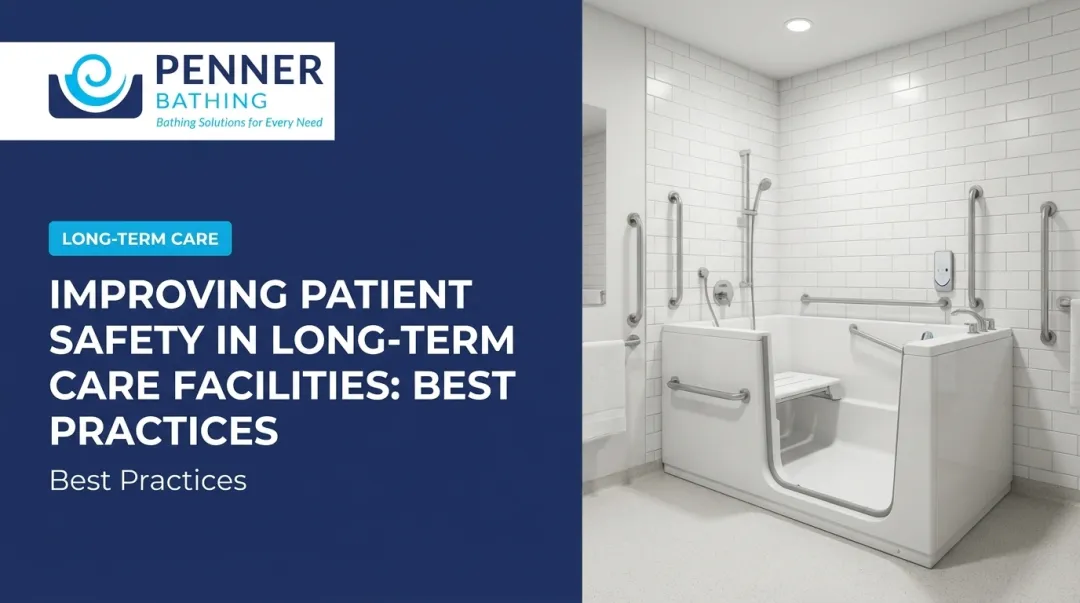
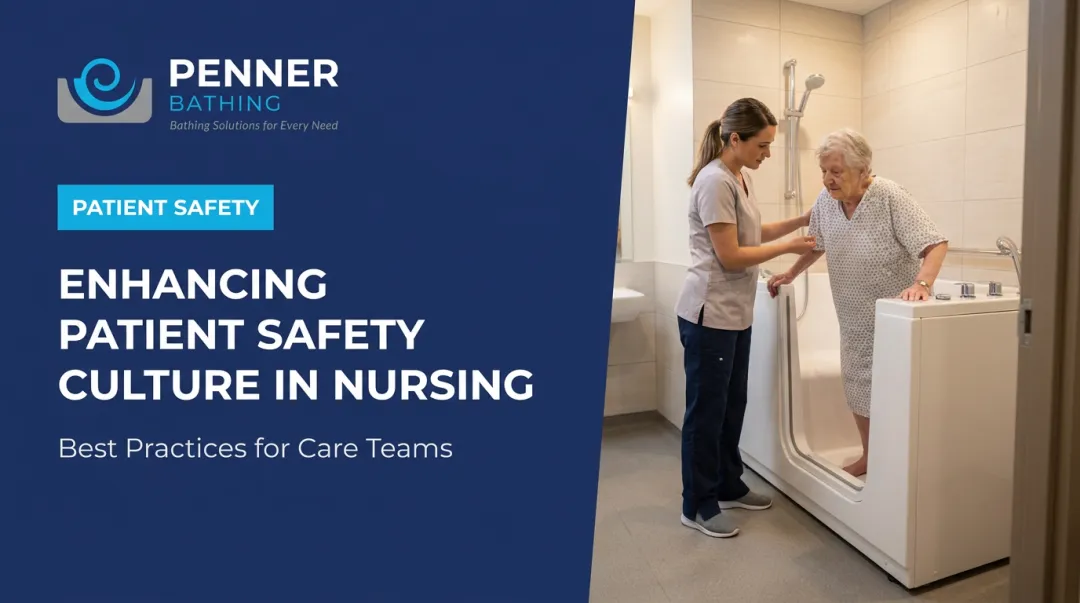
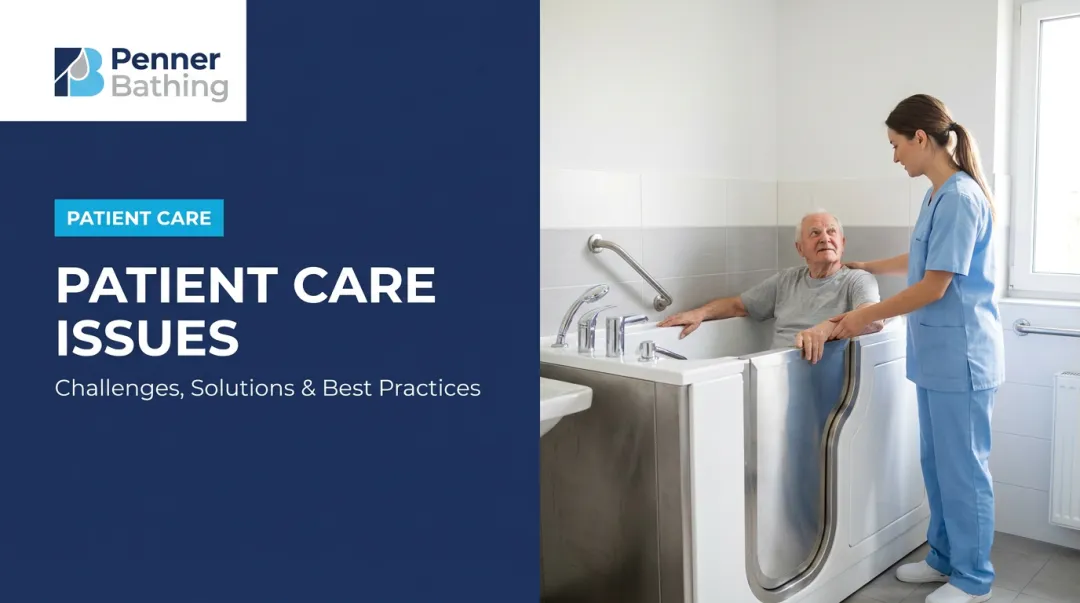
In long-term care and assisted living settings, primary care nurses often oversee or coordinate personal care tasks at the intersection of infection control and human dignity. Bathing is among the highest-contact activities in these settings. The CDC classifies it alongside dressing, linen changes, and transfers as requiring enhanced barrier precautions for residents with specified infection risks.
Getting bathing right matters clinically and ethically. CMS regulations (F550, F677) require that residents receive personal hygiene assistance that respects their dignity and honors their scheduling preferences, not staff convenience.
Purpose-built bathing equipment helps nursing teams meet both standards. Penner Bathing, an Aurora, Nebraska manufacturer serving long-term care facilities since 1980, designs healthcare bathing systems for this environment. Their systems address common compliance and workflow challenges through several built-in features:
- BioCote® antimicrobial protection embedded into the spa material for continuous bacterial suppression
- Automatic disinfection cycles that standardize hygiene between residents and remove variability from manual protocols
- **Height-adjustable designs and integrated transfer chairs** that reduce physical strain on staff during transfers
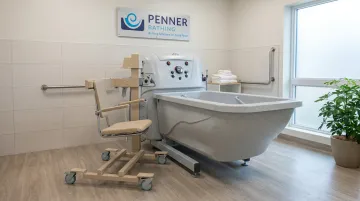
The combination supports infection control compliance, eases staff workload, and keeps bathing focused on resident comfort and dignity.
Challenges Facing Primary Care Nurses Today
Workforce Shortage and Rising Demand
HRSA projects an RN shortage of 267,330 FTEs by 2028 and 108,960 FTEs by 2038 — with rural areas facing an 11% projected shortage compared to 2% in metropolitan areas. As of mid-2026, 9,003 primary medical Health Professional Shortage Areas cover 108.6 million people, with 18,541 additional practitioners needed to meet demand.
That gap translates directly to heavier patient loads, longer wait times, and less time per visit for the nurses who are practicing.
Increasing Patient Complexity
Nearly 25% of the U.S. population is expected to be 65 or older by 2060. Older adults carry higher rates of multimorbidity: 42% of U.S. adults already live with two or more chronic conditions, and that share is growing. Primary care nurses managing these patients need skills that go well beyond what previous generations faced:
- Advanced clinical assessment and chronic disease management
- Strong care coordination across specialties and settings
- Flexible, patient-centered approaches that adapt as conditions evolve
Burnout and Retention
A study of 396 primary care NPs in New Jersey and Pennsylvania found a burnout rate of 25.3%, and that data predates the pandemic-era pressures that have only intensified since. High patient volumes, administrative documentation demands, and the emotional weight of long-term patient relationships all contribute.
Mitigation requires institutional action:
- Adequate staffing ratios
- Protected time for documentation
- Access to mental health and peer support resources
- Realistic panel sizes that allow meaningful visits
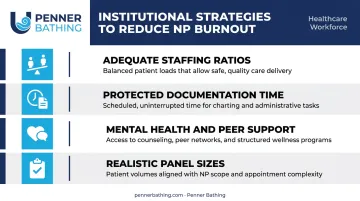
Without structural changes at the organizational level, resilience training alone fails to move the needle on retention.
Frequently Asked Questions
What does a primary care nurse do?
Primary care nurses assess patients, manage chronic conditions, deliver preventive care, educate patients on self-management, and coordinate care across the healthcare system. They serve as a patient's consistent healthcare contact over time, providing continuity beyond individual acute episodes.
What is the difference between primary care nursing and acute care nursing?
Primary care nurses focus on continuous, preventive, and chronic condition management in non-emergent settings like clinics and community health centers. Acute care nurses respond to urgent, time-sensitive conditions in hospitals or emergency environments where the pace and scope of intervention differ significantly.
What skills does a primary care nurse need?
Core competencies include clinical assessment, communication, critical thinking, cultural competence, and time management. For nurse practitioners in primary care, independent diagnostic and treatment skills across both acute and chronic conditions are also required.
Where do primary care nurses work?
Common settings include outpatient clinics, private physician practices, community health centers, long-term care facilities, assisted living communities, schools, and public health departments. What ties these settings together is a shared focus on ongoing, population-level care rather than episodic intervention.
What is the primary nursing care model?
The primary nursing care model is a hospital staffing approach where one nurse is designated as the lead caregiver for a specific patient throughout their stay. It promotes accountability and stronger nurse-patient relationships, with associate nurses providing coverage during absences.
How does primary care nursing benefit patients with chronic conditions?
Primary care nurses support patients with chronic conditions like diabetes or hypertension through ongoing monitoring, medication management, and lifestyle education. Consistent follow-up helps reduce complications, lower hospitalization rates, and improve quality of life over time.